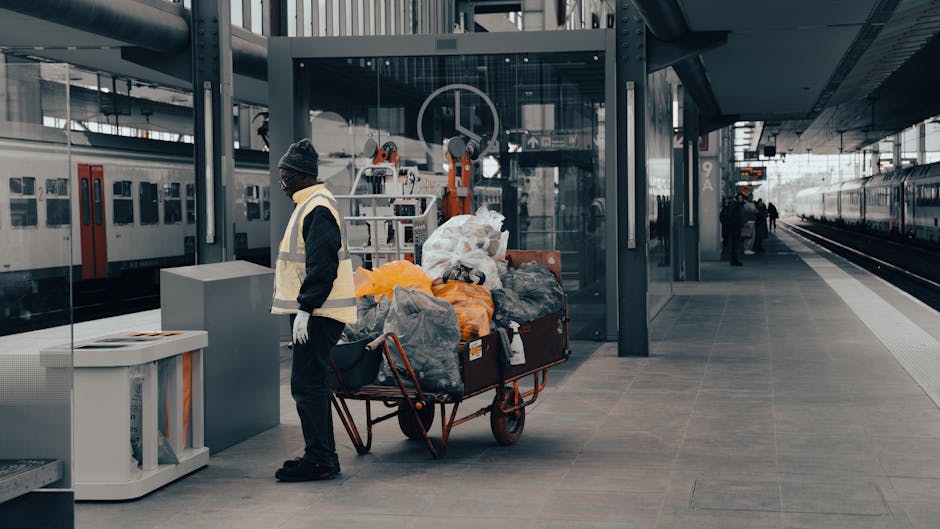
Rubbish clearance by Hainault station same day service
If you need rubbish gone quickly near Hainault station, same day clearance can feel like a bit of a lifesaver. One minute the hallway is full of black bags, broken furniture or builder's waste; the next, you want the place back to normal before the day disappears. That is exactly where Rubbish clearance by Hainault station same day service makes sense: fast collection, sensible handling, and a straightforward way to clear space without turning the whole thing into a weekend project.
This guide explains how same day rubbish clearance works, what it's best for, where the hidden pitfalls are, and how to choose the right service for the job. We'll also cover practical steps, compliance points, and a few real-world tips that save time and stress. To be fair, most people do not need a lecture about waste removal - they just need the clutter dealt with properly.
Table of Contents
- Why Rubbish clearance by Hainault station same day service Matters
- How Rubbish clearance by Hainault station same day service Works
- Key Benefits and Practical Advantages
- Who This Is For and When It Makes Sense
- Step-by-Step Guidance
- Expert Tips for Better Results
- Common Mistakes to Avoid
- Tools, Resources and Recommendations
- Law, Compliance, Standards, or Best Practice
- Options, Methods, or Comparison Table
- Case Study or Real-World Example
- Practical Checklist
- Conclusion
- Frequently Asked Questions
Why Rubbish clearance by Hainault station same day service Matters
Same day clearance matters because waste has a habit of getting in the way of everything else. A blocked passage, a pile of broken units, or a room full of unwanted furniture can stop cleaning, moving, decorating, letting, or even just living comfortably. Around a busy transport point like Hainault station, speed is often the difference between getting a job done and leaving it hanging for another day.
There is also the practical side. Rubbish left in communal areas, front gardens, driveways or shared entrances can cause friction with neighbours and landlords. In flats, especially, a few bags left "just for now" can become a real nuisance quickly. And if you are trying to sell, rent, refit, or hand back keys, time is not exactly on your side.
Same day service is not only about urgency. It is also about momentum. Once clutter starts moving out, the rest of the task suddenly feels manageable. The air changes a bit too - less stale, less cramped, less like the place is holding its breath.
If your clearance is part of a wider project, it can help to look at related services such as flat clearance, home clearance, or house clearance. Those pages are useful if your job is bigger than a simple one-off load of bags.
How Rubbish clearance by Hainault station same day service Works
In most cases, same day rubbish clearance follows a pretty simple sequence. You describe what needs removing, the team estimates the load, a vehicle is dispatched, and the waste is collected from the agreed location. Nothing mystical. Just good organisation and a bit of timing.
Usually, the process starts with a quick assessment. That might be by phone, online booking, or photographs. Clear photos help more than people expect. A room shot, a few close-ups of bulky items, and a rough idea of access can be enough to avoid delays. If there are stairs, narrow hallways, lift restrictions or parking issues, say so early. It saves everyone a headache later.
On arrival, the team should confirm the load, check access, and remove the waste with as little disruption as possible. For bigger clearances, items may be sorted on site into reusable, recyclable, and residual waste streams. If you are clearing mixed household waste, old furniture, broken appliances, or garden debris, it helps to keep a rough idea of what is where. Not perfect. Just useful.
For some jobs, waste removal may be paired with item-specific services such as furniture disposal, fridge and appliance removal, or mattress and sofa disposal. That can make planning much easier because the disposal route is clearer from the outset.
One small but important point: same day does not mean "anything, anywhere." Certain items need special handling, and some waste types cannot go in a standard general rubbish load. That's normal. Good operators will explain the boundaries rather than pretending everything can be whisked away in one go. Bit boring perhaps, but it is the sensible way.
Key Benefits and Practical Advantages
The main benefit is obvious: speed. But there is more to it than that. A properly run same day clearance service can reduce stress, prevent missed deadlines, and help you avoid storing waste in awkward places for days on end.
- Fast turnaround: useful when you are on a tight deadline or dealing with an unexpected clear-out.
- No lifting or loading for you: helpful if items are bulky, heavy, dusty, or awkward to move.
- Less disruption: a single visit often beats several trips to a tip or recycling point.
- Better presentation: good for letting agents, landlords, sellers, and anyone preparing a property.
- Cleaner compliance: using a proper waste carrier is generally safer than trying to improvise.
- More predictable finish: once the waste is gone, you can move on with decorating, cleaning, or handover work.
There is also a quieter benefit people tend to underestimate: peace of mind. You know what I mean - that little background irritation of seeing the pile every time you walk past it. Once it's removed, the whole room feels lighter. Sometimes literally.
If your clearance relates to a garden, loft, garage or office space, it may be worth exploring garden clearance, loft clearance, garage clearance, or office clearance for a more tailored approach.
Who This Is For and When It Makes Sense
Same day rubbish clearance is a good fit for people who need a problem solved quickly rather than perfectly planned for next week. That sounds obvious, but it helps to be clear about the use case.
It often suits:
- tenants who need to leave a property clean and empty
- landlords dealing with end-of-tenancy leftovers
- homeowners preparing for decorating or repair work
- people clearing after a move, renovation or declutter
- small businesses removing office clutter or archived junk
- builders and trades needing a quick waste sweep-up
- families handling a sudden bereavement clearance or urgent room reset
It makes the most sense when the waste is already accessible and you want it gone before the day ends. If your job involves a full property clearance, multiple item types, or a lot of sorting, you may still benefit from same day attendance - but the team may need a bit more time on site.
It is also worth mentioning that not every clearance has to be dramatic. Sometimes it's just a corner of a room, a pile of packaging, or a battered sofa taking up half the lounge. Small job, big relief. The effect is oddly satisfying.
Step-by-Step Guidance
If you want same day rubbish clearance to go smoothly, a simple process works best. Here is the practical version.
- Identify exactly what needs removing. Walk through the property and separate general rubbish from items that may need specialist handling.
- Take clear photos. Try to show the whole pile, nearby access points, and any items that are especially bulky or fragile.
- Check access before booking. Stairs, lifts, parking restrictions, permit zones and narrow hallways all matter.
- Ask what is included. Confirm whether labour, loading, disposal, and VAT are covered in the quote or estimate.
- Move valuables and sensitive items aside. Keep documents, keys, chargers, jewellery, and personal papers separate.
- Make sure the route is clear. A tidy path can save more time than you'd think, especially in flats.
- Confirm prohibited items early. If you have appliances, chemicals, paint, or other special waste, raise it before the team arrives.
- Be present if possible. Even if only briefly. A quick walk-through prevents confusion.
- Check the space after removal. Make sure the agreed area is clear before the vehicle leaves.
If you are dealing with mixed waste and are unsure what can be loaded together, the page on what can go in a skip can help you think through common waste categories, even if you are not actually hiring a skip.
Expert Tips for Better Results
Over time, the jobs that run most smoothly usually have one thing in common: the customer has done a little prep. Not a full-on military operation. Just enough to make the waste easy to see and easy to lift.
First tip: group similar items together. Put cardboard with cardboard, furniture with furniture, and loose bags in one area if you can. It speeds up loading and reduces the chance of missed items.
Second tip: don't underestimate access. A pile that looks small in a photo can become awkward if it has to be carried down three flights of stairs. The same goes for parking. Near the station, access can be tighter than people expect.
Third tip: think about what will happen after the clearance. If you are repainting, replacing flooring, or moving furniture back in, it may make sense to book the clearance just before that next job rather than too early.
Fourth tip: keep an eye on fragile or personal items. It sounds basic, but in a rushed clear-out it is surprisingly easy to throw away something you actually wanted to keep. A passport-sized panic is not a fun look.
Fifth tip: ask about recycling and reuse. Responsible operators should separate salvageable items where practical and route recyclable materials appropriately. That's better for the environment and, often, the wallet too.
If you are handling a larger business job, business waste removal may be a better fit than a general domestic collection. And if the clearance involves old paperwork, confidential shredding is a sensible extra safeguard.
Common Mistakes to Avoid
Most clearance delays come from a handful of avoidable mistakes. Nothing dramatic, just the usual human stuff.
- Giving vague descriptions: "a bit of rubbish" can mean almost anything. Be more specific.
- Forgetting access details: no one likes discovering, on arrival, that the lift is out or the road is blocked.
- Mixing general waste with restricted items: some loads need separate handling.
- Leaving items scattered everywhere: it slows collection and can increase labour time.
- Assuming same day means instant: quick service still needs scheduling and travel time.
- Not checking the quote basis: a clear quote should explain what is included and what changes the price.
A lot of stress comes from trying to rush the wrong part. People spend ten minutes organising the thing and then forget to tell the team there's a parking bay issue or a locked gate. Happens all the time.
Another common mistake is overlooking related clearance needs. If the room contains old seats, appliances, or heavy items, it may be worth planning these as part of a wider furniture clearance or waste removal job rather than treating them separately.
Tools, Resources and Recommendations
You do not need specialist equipment to prepare for a rubbish clearance, but a few simple tools make the process smoother.
- strong bin bags for loose waste
- tape or labels for separating keep, donate, and dispose piles
- a phone camera for photos and evidence of item condition
- gloves for sorting dusty or sharp materials
- a torch for lofts, garages, or dim storage spaces
- a tape measure if bulky items might need checking against access widths
For people clearing a specific room or situation, the following pages can be useful as supporting references: home clearance for whole-property jobs, flat clearance for apartment access issues, garage clearance for storage overflows, and builders waste clearance for renovation debris.
One quiet recommendation: keep your own note of what was removed. A quick phone memo or photo set can help later if you need to prove the property was cleared or remind yourself what went out. Handy, especially during hectic moves.
Law, Compliance, Standards, or Best Practice
Rubbish clearance is not just a logistical task; it also sits inside a framework of UK waste handling best practice. You do not need to become a waste-law expert, but it helps to understand the basics.
Waste duty of care is the broad idea that waste should be handled responsibly from the point it leaves your property to the point it is recycled, treated or disposed of. In plain English: don't hand it to someone who cannot explain where it goes.
For that reason, it is sensible to use a service that can act responsibly, separate waste where possible, and follow safe loading practices. Some waste types may need specialist treatment, especially if they could be hazardous, electrical, or otherwise controlled. If in doubt, flag the item before booking rather than hoping it will sort itself out. It won't.
Best practice usually includes:
- accurate description of the load
- safe lifting and handling methods
- separate treatment for restricted items
- responsible recycling where practical
- clear pricing and honest communication
- appropriate insurance and safety procedures
If you are comparing providers, it can also help to review pages such as insurance and safety, health and safety policy, recycling and sustainability, and hazardous waste disposal. Those pages signal how the business thinks about risk and responsible disposal.
Options, Methods, or Comparison Table
If you are deciding how to clear rubbish near Hainault station, there are usually a few ways to do it. The right one depends on volume, urgency, access, and how much lifting you want to do yourself.
| Method | Best for | Pros | Trade-offs |
|---|---|---|---|
| Same day rubbish clearance | Urgent jobs, mixed loads, quick turnaround | Fast, convenient, little effort | May cost more than booking ahead |
| Skip hire | Longer projects with steady waste creation | Good for ongoing work, can be flexible | Needs space, permits may apply, you load it yourself |
| Self haul to a facility | Small amounts, people with transport and time | Can suit very small jobs | Time-consuming, tiring, multiple trips possible |
| Specialist item removal | Appliances, beds, sofas, particular bulky items | Tailored handling, suitable for awkward items | May not cover mixed general waste in one visit |
For many local jobs, same day collection is the best balance of speed and simplicity. Skip hire can make sense for longer refurbishments, but if you only need a room cleared today, a loading-and-go service is often the cleaner option. Not always. Just often.
If you want to check whether a skip-like approach would even suit your load, the guidance on what can go in a skip is a good reference point for thinking through what you've got.
Case Study or Real-World Example
Here's a realistic example. A tenant near Hainault station is due to hand back keys the next afternoon. The flat still has a broken chest of drawers, a sofa with a torn arm, a pile of cardboard from the move, and a few bags of old household bits in the hallway. Nothing exotic. Just enough to cause panic at 7:30 on a weekday morning.
The quickest fix is not to overthink it. Photos are taken, access is checked, and the items are grouped by room. The sofa and drawers are moved out first because they block the route. The cardboard follows, then the loose bags. Within a short visit, the flat looks like it belongs to a human being again, not an eviction scene in the rain.
That kind of job shows why same day rubbish clearance is so useful. It turns a looming deadline into a manageable task. And because the clearance is tied to a specific handover time, the value is not just convenience - it is avoiding late fees, awkward conversations, and last-minute stress.
If the same flat also had archived papers or sensitive documents, confidential shredding would be a sensible extra step. Small detail, big difference.
Practical Checklist
Use this quick checklist before your same day collection. It keeps things orderly without becoming a project in itself.
- Take clear photos of the waste
- List any bulky or heavy items separately
- Check access, parking, and stairs
- Move valuables and personal documents away
- Separate restricted or unusual items
- Clear a path from the waste to the exit
- Confirm the time window and collection point
- Ask what the service includes
- Review whether recycling or reuse applies
- Keep your phone handy in case the team needs a quick update
Expert summary: the best same day clearance jobs are the ones that are visible, accessible, and well described. If you can do those three things, you're already ahead of the game.
Conclusion
Rubbish clearance by Hainault station same day service is really about restoring order quickly, without adding extra friction to an already busy day. Whether you are clearing a flat, a house, a garage, an office or a post-renovation mess, the main value is speed backed by sensible handling.
The most successful jobs are usually the simplest: clear photos, honest descriptions, good access, and a service that treats the waste properly. From there, the rest tends to fall into place.
If you need broader context on the business behind the service, you can also review about us and pricing and quotes to understand how the service is positioned and what to expect before booking.
Get a free quote today and see how much you can save.
And once the clutter is gone, the space feels different. Lighter. Calmer. A bit more like yours again.
Frequently Asked Questions
What does same day rubbish clearance near Hainault station usually include?
It usually includes collection, loading, transport, and disposal of agreed waste from your property. The exact scope depends on the load, access, and whether any items need special handling.
How quickly can a same day clearance be arranged?
In practice, it depends on availability and the size of the job. Smaller, clearly described loads are generally easier to fit in on the same day than larger mixed clearances.
Do I need to move the rubbish outside before the team arrives?
Not necessarily. Many services will collect from inside the property if access is safe and agreed in advance. That said, having items grouped together can speed things up nicely.
Can you remove bulky furniture on the same day?
Yes, often. Large items such as sofas, wardrobes, mattresses and chairs are common in same day clearances, although access and item condition matter.
What if I have electrical items or appliances?
Appliances and electricals may need specific handling. It is best to mention them when booking so the service can confirm whether they can be taken as part of the load.
Is same day rubbish clearance more expensive?
It can be, because speed and scheduling flexibility usually come at a premium. Even so, many people find the time saved is worth more than a delayed, self-managed alternative.
Can I book rubbish clearance for a flat with stairs or no lift?
Usually yes, but you should mention stairs, lifts, and parking restrictions early. Access affects both timing and price, especially in busier residential buildings.
What should I do with hazardous waste?
Hazardous items should be flagged before booking. Do not mix them into a general load unless the service has confirmed it can accept them safely and legally.
Do I need to sort everything before the collection?
No, but a bit of sorting helps. Separating obvious categories like furniture, bags, cardboard and electronics makes the visit smoother and reduces confusion.
How do I know if a provider is trustworthy?
Look for clear explanations, sensible questions about access, honest item limitations, and straightforward service information. Trustworthy operators do not overpromise. They explain what they can and cannot do.
What happens to the rubbish after collection?
It should be transported for appropriate treatment, recycling, reuse where practical, or disposal through the correct channels. Responsible handling is part of good waste practice.
Can same day clearance help with end-of-tenancy deadlines?
Yes, very often. It is one of the most common reasons people book urgent clearance, especially when keys need to be handed back quickly and the property still contains leftover items.
Is there a difference between rubbish clearance and waste removal?
In everyday use, the terms overlap quite a lot. "Rubbish clearance" often suggests removing visible unwanted items from a property, while "waste removal" can be a broader term for collection and disposal.
What should I ask before I book?
Ask what is included, whether loading is covered, how access affects timing, whether any items are excluded, and what happens if the load turns out to be larger than expected. That last one is worth asking, honestly.